


Summary
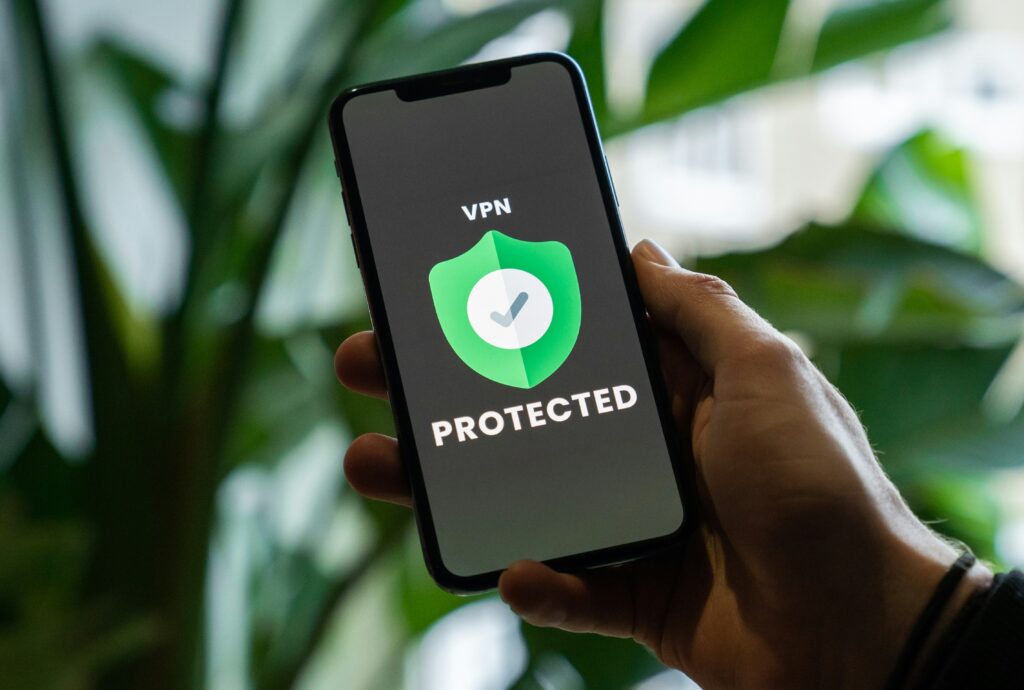
Virtual Private Networks (VPNs) protect your data by encryption and sending it to a remote server. This ensures intruders can not access your information or be able to track your activity. VPNs provide anonymity in internet activity. To protect your information, you should begin using a trustworthy VPN today.
If you have ever been on public wi-fi, your data has been at risk. Hackers can position themselves in between your data and the network using a special software. They can copy data without you knowing and redirect you to phishing websites. Hackers can also set up hotspots that pretend to be the businesses actual wi-fi and take control of your device. A VPN can protect you from this.
What is a VPN?
A virtual private network (VPN) hides your user data and IP address from intruders. VPNs send your data to a remote server and changes your IP to the remote servers. This encrypts the user data and assures it is kept safe and anonymous. VPNs prevent a hacker’s ability to grab the data by encrypting it before it goes out.
VPNs can slow a device’s connection as it needs to be sent to a remote server before being received. A person may also experience more CAPTCHAS. VPNs cannot prevent a user putting in personal information in a scam link. You are still required to be conscious of what websites and companies you trust with your information.
What VPN’s to Trust
Generally, VPNs are a paid service. Free VPNs do exist but cannot be trusted. Many directly steal the users data through their remote server or track the users online activity. Some free VPNs don’t provide any form of security as well. A sign of a good VPN involves a subscription and is staying up to date.
Trustworthy VPNs ensure IP address leak prevention. The best way to know if a VPN does this is to look at reviews and if they have had any major data breaches. Another is no information logging. If a hacker managed to gain access to the VPN, no user data should be stored in the VPN. Ensures the user is kept safe and the data is secure. You also want Multi-Factor Authentication (MFA) in a VPN. That ensures if a hacker was able to get your login information for the VPN, you still have to verify your identity and can deny the hacker.
Other Features of A VPN
Allows you to browse the internet without fear. Completely anonymous. Changing your location while on vacation allows you to check local news. Using a VPN can help with prices because they cannot target a user.
There are many security benefits to using a VPN. Helps secure file transfers if one needs to be done from home or another location out of the work place. Ensuring no intruder can look at the content inside.
Sources: Fortinet on VPN security https://www.fortinet.com/resources/cyberglossary/are-vpns-safe
NordVPN on what a VPN does https://nordvpn.com/what-is-a-vpn/ srsltid=AfmBOorIqHR45QbO5WSJb0tPolTcKGbUTU39K_ZhZz2H9o8kw_lOd2Cs